
Clear aligners for teens are custom, removable trays that straighten teeth without brackets or wires, and they’ve become one of the most requested options for teenagers today. If you’re a parent weighing your teen’s orthodontic choices, you’re not alone in wondering whether this modern approach is the right fit.
More families are exploring alternatives to metal braces every year. Teens want something discreet. Parents want something effective. The good news? Both goals can often be met with the same treatment.
This guide walks you through everything you need to know, from how clear aligners work to what compliance really looks like at home. You’ll learn how to tell if your teen is a strong candidate, what treatment typically costs, and how aligners compare to braces in the real world.
Informed decisions lead to better outcomes. By the end of this article, you’ll feel confident asking the right questions and choosing the path that fits your family best.
What Are Clear Aligners and How Do They Work?
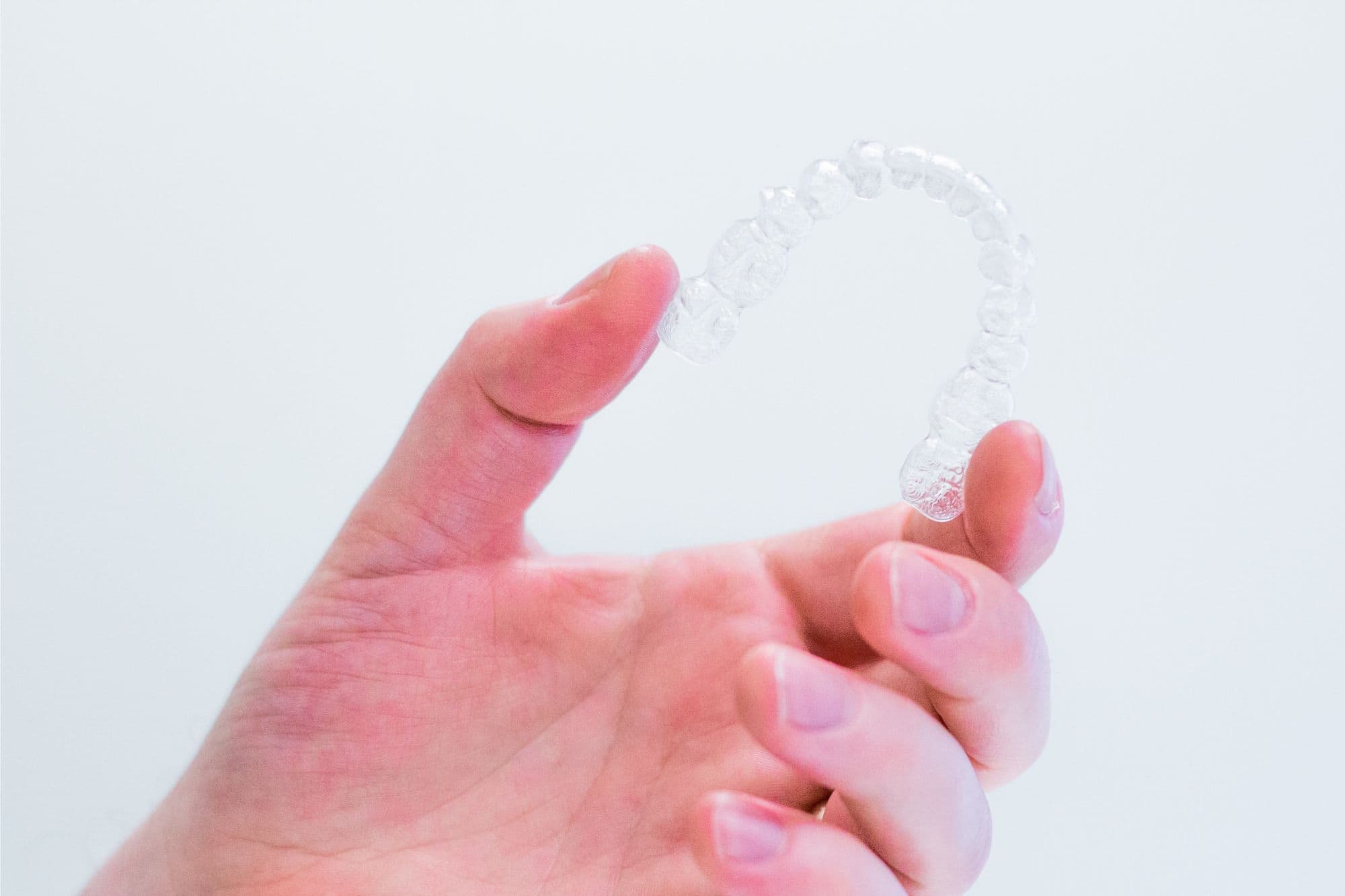
Clear aligners are custom plastic trays that gradually shift teeth into position without brackets or wires. Your teen wears a new set every one to two weeks, and each set applies gentle, targeted pressure to shift specific teeth.
Most aligners are made from a flexible, comfortable material like SmartTrack, designed to fit snugly around the teeth. The process starts with a 3D digital scan of your teen’s mouth. That scan becomes a blueprint for the entire treatment plan.
Here’s what the typical process looks like:
- Digital scan and treatment plan created at the first consultation
- Custom aligner sets shipped and worn in sequence
- Small tooth-colored attachments bonded to certain teeth to help the aligners grip and guide movement
- Check-in visits every 6-10 weeks to track progress
- Retainers worn after treatment to protect the results
Because aligners are removable, your teen takes them out to eat, brush, and floss. That’s a big advantage for oral hygiene.
Is My Teen a Good Candidate for Clear Aligners?
Not every teen is an ideal candidate, and that’s okay. Your orthodontist will evaluate your teen’s specific bite, tooth position, and jaw growth before recommending a treatment path.
Clear aligners typically work well for:
- Mild to moderate crowding
- Spacing and gaps
- Simple bite corrections
- Teens who’ve completed most of their permanent tooth eruption
Metal braces or clear braces may be a better fit for:
- Complex bite issues
- Severe tooth rotations
- Cases needing significant vertical tooth movement
- Teens who may struggle to wear trays consistently
Ask yourself a few honest questions. Does your teen follow through on daily routines like brushing and homework? Can they keep track of small items like a phone or retainer? Are they motivated to see results?
Maturity matters here. A professional evaluation will give you a clear answer about candidacy.
Ready to know for sure? A consultation is the fastest way to learn if clear aligners are right for your teen. Beim Orthodontics offers a comfortable, no-stress experience for families exploring their options.
Clear Aligners vs. Traditional Braces: A Side-by-Side Comparison
Both options straighten teeth beautifully. The right choice depends on your teen’s case, personality, and lifestyle.
| Feature | Clear Aligners | Metal Braces |
|---|---|---|
| Appearance | Nearly invisible | Visible brackets and wires |
| Removability | Yes, for eating and brushing | Fixed in place |
| Comfort | Smooth plastic, no wire pokes | Some initial soreness common |
| Oral Hygiene | Brush and floss normally | Requires special tools |
| Food Restrictions | None (remove to eat) | Avoid sticky, hard foods |
| Compliance Required | 20-22 hours daily wear | Always working, no effort needed |
| Office Visits | Typically every 6-10 weeks | Typically every 4-8 weeks |
| Best For | Mild to moderate cases | All case types, including complex |
Both treatments deliver excellent results when matched to the right patient. The question isn’t which is better overall, it’s which is better for your teen.
What Teen-Specific Aligner Features Should Parents Know About?
Aligner brands have created features designed specifically for growing mouths and teenage lifestyles. These small details can make a big difference.
Compliance indicators. Some teen-specific aligners include tiny blue dots that fade as the trays are worn. Parents get a visual cue about wear time without playing detective.
Eruption tabs. For teens whose permanent teeth are still coming in, these built-in tabs leave room for erupting molars and canines without disrupting treatment.
Replacement aligners. Many teen programs include a set of replacement trays for lost or broken aligners. Real life happens. Backpacks get lost. Napkins get thrown away. Having replacements built into the plan takes the stress off everyone.
Your orthodontist will recommend the aligner system that best fits your teen’s specific case and stage of dental development.
Cost, Insurance, and Payment Options
Cost is one of the top questions parents ask, and the honest answer is that it depends on your teen’s case complexity and treatment length.
Cost depends on your teen’s case complexity and treatment length rather than a fixed number. Simple cases cost less. More involved cases cost more. A consultation gives you a precise quote for your teen’s specific plan.
Ways to make treatment more affordable:
- Dental and orthodontic insurance often covers a portion of treatment for children under 19
- FSA and HSA accounts can be used for orthodontic care
- Monthly payment plans spread the cost over the treatment period with little or no interest
- In-office financing may be available in some cases
Beim Orthodontics offers payment plans that can be structured to work with a range of budgets. The team will walk you through your insurance benefits and lay out clear numbers so you know the full cost upfront.
The Compliance Question: Helping Your Teen Succeed
This is the make-or-break factor with clear aligners. Trays only work when they’re in the mouth.
Most treatment plans call for 20-22 hours of daily wear. That leaves about two hours a day for meals, snacks, and cleaning. It sounds simple, but real teenage life can make it harder than expected.
Practical strategies that help:
- Build a mealtime routine. Aligners come out to eat, then go right back in after brushing.
- Use a phone reminder or habit-tracking app. A daily wear-time nudge builds the habit.
- Keep the case visible. A bright-colored case in the backpack or on the nightstand reduces lost trays.
- Frame it as their treatment. Teens respond better when they own the process instead of feeling monitored.
- Celebrate milestones. Every new aligner set means real progress toward straighter teeth.
Your role is supportive, not enforcement-based. Trust and consistency go a long way with this age group.
Daily Life with Aligners: Sports, School, and Social Events
One of the biggest reasons teens choose aligners is that they blend into normal life. Here’s how they handle real-world moments.
Sports. Aligners can stay in for most activities. For contact sports, your teen removes the trays and wears a standard mouthguard. Custom mouthguards can be made to work alongside treatment.
School lunches. Aligners come out before eating. A quick water rinse and a toothbrush stashed in the locker or backpack keeps things clean before the trays go back in.
Prom, dances, and photos. Aligners are practically invisible in pictures. For special meals, they simply come out and go back in afterward.
Lost or damaged trays. Call the office right away. Your orthodontist will advise whether to move to the next set early, wear the previous set, or order a replacement.
Speech. A slight lisp is common during the first few days. It fades quickly as the tongue adjusts.
How Do You Clean and Care for Clear Aligners?
Good aligner care keeps your trays working properly and keeps treatment on track. The habits are simple once your teen learns them.
Daily care checklist:
- Rinse aligners with cool water every time they come out
- Brush them gently with a soft toothbrush and mild soap
- Brush and floss teeth before putting aligners back in
- Store trays in the case anytime they’re not in the mouth
What to avoid:
- Hot water. It warps the plastic and ruins the fit.
- Colored soaps or mouthwash. These can stain the trays.
- Colored drinks while wearing aligners. Coffee, tea, soda, and juice can discolor them and damage the teeth underneath.
- Wrapping trays in napkins. This is the number one cause of lost aligners.
Regular dental checkups continue during treatment. Clean aligners plus clean teeth equal a healthy smile at the end of treatment.
Why Choose an Orthodontist Over Mail-Order Aligners
You’ve probably seen direct-to-consumer aligner ads promising cheaper, faster results with no office visits. For a growing teenager, this approach carries real risk.
What you get with an in-office orthodontist:
- Full diagnostic workup including X-rays and 3D scans
- Expert case planning by a specialist trained in tooth movement and jaw growth
- Ongoing monitoring to catch issues early and adjust the plan
- In-person support if something breaks or doesn’t fit
- Accountability for the final result
What you don’t get with mail-order aligners:
- Hands-on evaluation of bite, roots, and jaw structure
- Adjustments when teeth aren’t tracking as planned
- A qualified professional to call when things go wrong
Growing teens have shifting jaws, erupting teeth, and developing bites. Skipping professional oversight can lead to results that look straight at first, then relapse or cause bite issues later. An in-office orthodontist provides the clinical expertise and ongoing care that mail-order services simply can’t match.
Questions to Ask at Your Consultation
Walk into your first consultation with a list. A good orthodontist welcomes your questions and answers them clearly.
- Is my teen a strong candidate for clear aligners, or would braces work better?
- How long will treatment take from start to finish?
- What’s the total cost, and what payment plans are available?
- Does my insurance apply, and how much will it cover?
- How often will we need to come in for visits?
- What happens if my teen loses or breaks an aligner?
- What if compliance slips and results fall behind?
- What retainers will my teen need after treatment?
- How will I know treatment is on track?
- What does the follow-up plan look like after the last aligner?
Bring your teen with you. A good consultation includes them in the conversation and helps build their commitment to the process.

Frequently Asked Questions
Are clear aligners as effective as braces for teens?
For mild to moderate cases, yes. Clear aligners deliver excellent results when worn consistently. For complex bites or severe rotations, metal or clear braces may work better. A consultation with your orthodontist will identify the most effective option for your teen’s case.
How long does clear aligner treatment take?
Most teen treatments take between 12 and 24 months, though simpler cases can wrap up faster. Length depends on the complexity of the case and how consistently the aligners are worn. Skipping wear time can extend the timeline, so daily habits matter.
Does insurance cover clear aligners for teens?
Many dental and orthodontic insurance plans cover a portion of clear aligner treatment for children under 19. Coverage varies by plan. The team at Beim Orthodontics will review your benefits during your consultation and explain exactly what to expect out of pocket.
Can my teen play sports with clear aligners?
Yes. For most sports, aligners stay in during play. For contact sports, your teen removes the trays and wears a standard athletic mouthguard. The removability makes aligners convenient for active teens involved in multiple activities year-round.
What happens if my teen loses an aligner?
Call the office as soon as possible. Depending on where your teen is in the current set, your orthodontist may advise moving to the next aligner early, wearing the previous set, or ordering a replacement. Many teen aligner programs include replacements built in.
Conclusion and Next Steps
Choosing an orthodontic option for your teen is a meaningful decision. Clear aligners offer a discreet, flexible, and effective path for many teens, and today’s teen-specific features make them more parent-friendly than ever.
The factors that matter most are your teen’s specific case, their readiness for daily compliance, and having an expert guide the process from start to finish. When those pieces line up, the result is a straighter smile your teen can feel good about showing off.
The best next step is simple: schedule a consultation. You’ll get a clear answer about candidacy, a look at treatment options, and a straightforward breakdown of cost and timing. No pressure, just information.
Beim Orthodontics is here to help your teen feel confident about their smile. Reach out today to book your teen’s consultation and take the next step toward straighter, healthier teeth.